
In the dynamic and ever-evolving landscape of workplace safety, ensuring that your business complies with the latest regulations is not just a legal obligation but also a crucial step in fostering a secure work environment. One fundamental aspect of workplace safety is the provision and maintenance of first aid kits.
In South Africa, these essential kits are subject to specific regulations, designed to safeguard the well-being of employees. In this blog post, we’ll delve into the various regulations governing first aid kits in the South African commercial sector.
Understanding the Regulatory Landscape
The regulatory framework surrounding first aid kits in South Africa is primarily outlined in the Occupational Health and Safety (OHS) Act of 1993.
This comprehensive legislation is aimed at promoting and maintaining the health and safety of employees in the workplace. When it comes to first aid kits, the Act stipulates certain requirements that businesses must adhere to, ensuring that employees have access to adequate first aid resources.
Key Elements of First Aid Kit Regulations
- Accessibility and Location:
The OHS Act emphasizes the importance of ensuring that first aid kits are easily accessible to all employees. These kits should be strategically placed in areas where there is a higher risk of injury or illness. Additionally, the Act specifies that first aid kits must be clearly marked and distinguishable, ensuring that they can be easily identified in case of an emergency. - Content Requirements:
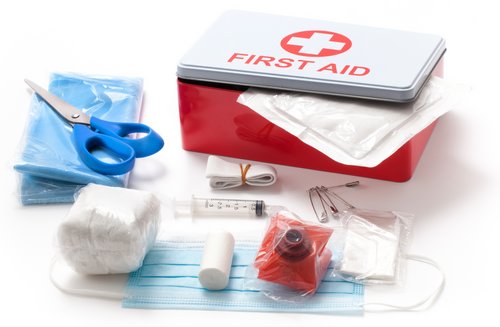
The content of first aid kits is a crucial aspect regulated by South African legislation. The Act provides a detailed list of essential items that must be present in a first aid kit. These items range from basic necessities like adhesive plasters and sterile gauze to more specialized items such as antiseptic solutions and burn dressings. Employers are responsible for regularly checking and replenishing these supplies to maintain the kit’s effectiveness. - First Aid Kit Training:
Having a well-equipped first aid kit is only part of the equation. The OHS Act emphasizes the importance of training employees in first aid procedures. Employers are encouraged to appoint trained first aiders within the workforce, and these individuals should be familiar with the contents of the first aid kit and be capable of administering basic first aid. - Record Keeping:
Compliance with regulations also involves maintaining records related to first aid kits. Employers are required to keep a record of all inspections, replenishments, and usage of first aid supplies. This documentation serves as evidence of the employer’s commitment to maintaining a safe working environment. - Regular Inspections:
Regular inspections of first aid kits are a fundamental requirement. Employers must ensure that the kits are in good condition, that the contents are within their expiration dates, and that any used items are promptly replaced. These routine checks contribute to the overall effectiveness of first aid provisions in the workplace.
In conclusion, navigating the regulatory landscape surrounding first aid kits in the South African commercial sector is a critical aspect of ensuring workplace safety. By understanding and adhering to the regulations outlined in the OHS Act of 1993, employers can foster a culture of safety and well-being within their organizations. From ensuring accessibility and proper content to providing training and maintaining meticulous records, compliance with these regulations not only safeguards employees but also contributes to the overall success and resilience of the business.
Remember, when it comes to workplace safety, it’s not just about meeting legal requirements—it’s about caring for the well-being of your team and creating a secure environment where everyone can thrive.
We look forward to assisting you with all your first aid kits needs.
Please feel free to contact us, so we may assist you:
Your information is 100% confidential